Welcome To The Journal... Welcome to Selma.
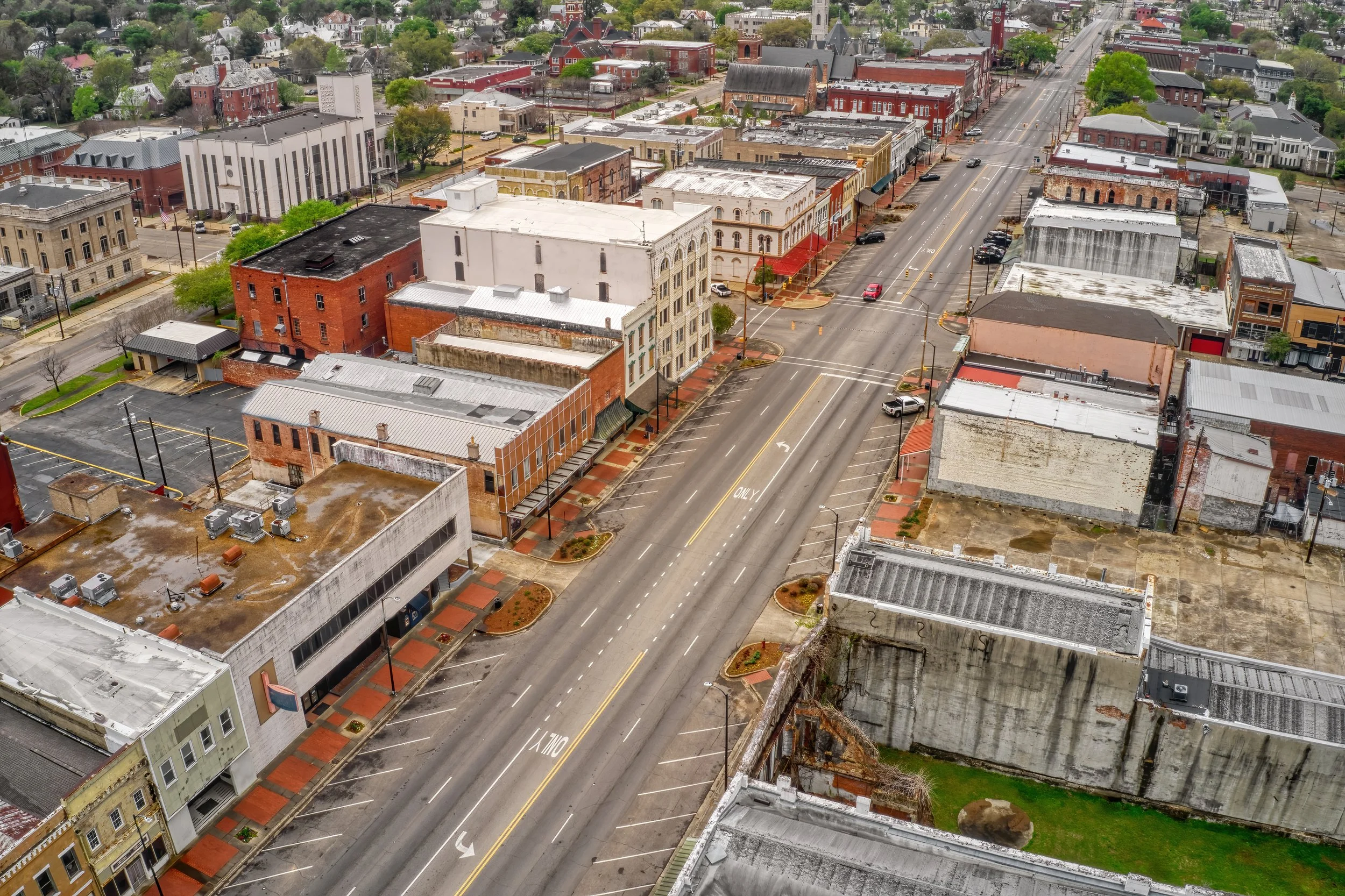
Few places invite visitors to experience American history as powerfully as Selma. From The St. James Hotel’s riverfront location in the heart of downtown, guests can walk in the footsteps of Civil Rights pioneers, explore important museums and landmarks, discover historic architecture, and experience the art, culture and community shaping the city today.
Just steps from the hotel, the Edmund Pettus Bridge rises above the Alabama River. In 1965, courageous marchers crossed the bridge while demanding equal voting rights, forever changing the course of American history. Visitors from around the world continue to make this meaningful journey before exploring nearby sites such as the Selma Interpretive Center, National Voting Rights Museum and Institute, Brown Chapel AME Church and Tabernacle Baptist Church.
Selma’s story extends far beyond a single moment. Guests can explore the city’s transportation and industrial heritage at the Old Depot Museum, tour the stately Sturdivant Hall Museum or visit the Selma and Dallas County Visitor Center for recommendations and local insight. A short drive from downtown leads to Old Cahawba Archaeological Park, where the remains of Alabama’s first state capital reveal another fascinating chapter of the region’s past.
The city’s present is equally worth discovering. Downtown Selma is home to artists, makers, locally owned restaurants and passionately devoted residents who are carrying its story forward. Visitors can enjoy riverfront views, explore community parks, attend local events and experience the creativity and warm Southern hospitality found throughout the area.
At the center of it all stands The St. James Hotel. Since 1837, its lacework balconies and Creole-influenced architecture have overlooked the Alabama River, welcoming steamboat travelers, soldiers, outlaws, marchers and generations of guests. The hotel’s remarkable history includes Benjamin Sterling Turner, an enslaved man whose tenacity and skill helped keep the hotel operating during the Civil War. After gaining his freedom, Turner purchased the hotel he once managed and later became the first African American elected to Congress from Alabama.
Today, The St. James Hotel serves as Selma’s front porch: a welcoming place to begin the day’s adventures, gather after exploring and take in views of the river and Edmund Pettus Bridge. Here, guests are not simply surrounded by history. They are invited to step outside, experience it for themselves and discover everything Selma’s past, present and future have to offer.
The Journal will offer insights into The St. James, and things to do in the Selma area. We hope you’ll continue to join us and our entries here.