
DISCOVER NEW PLACES TO EXPLORE
CITY OF SELMA WELCOME CENTER
WELCOME CENTER
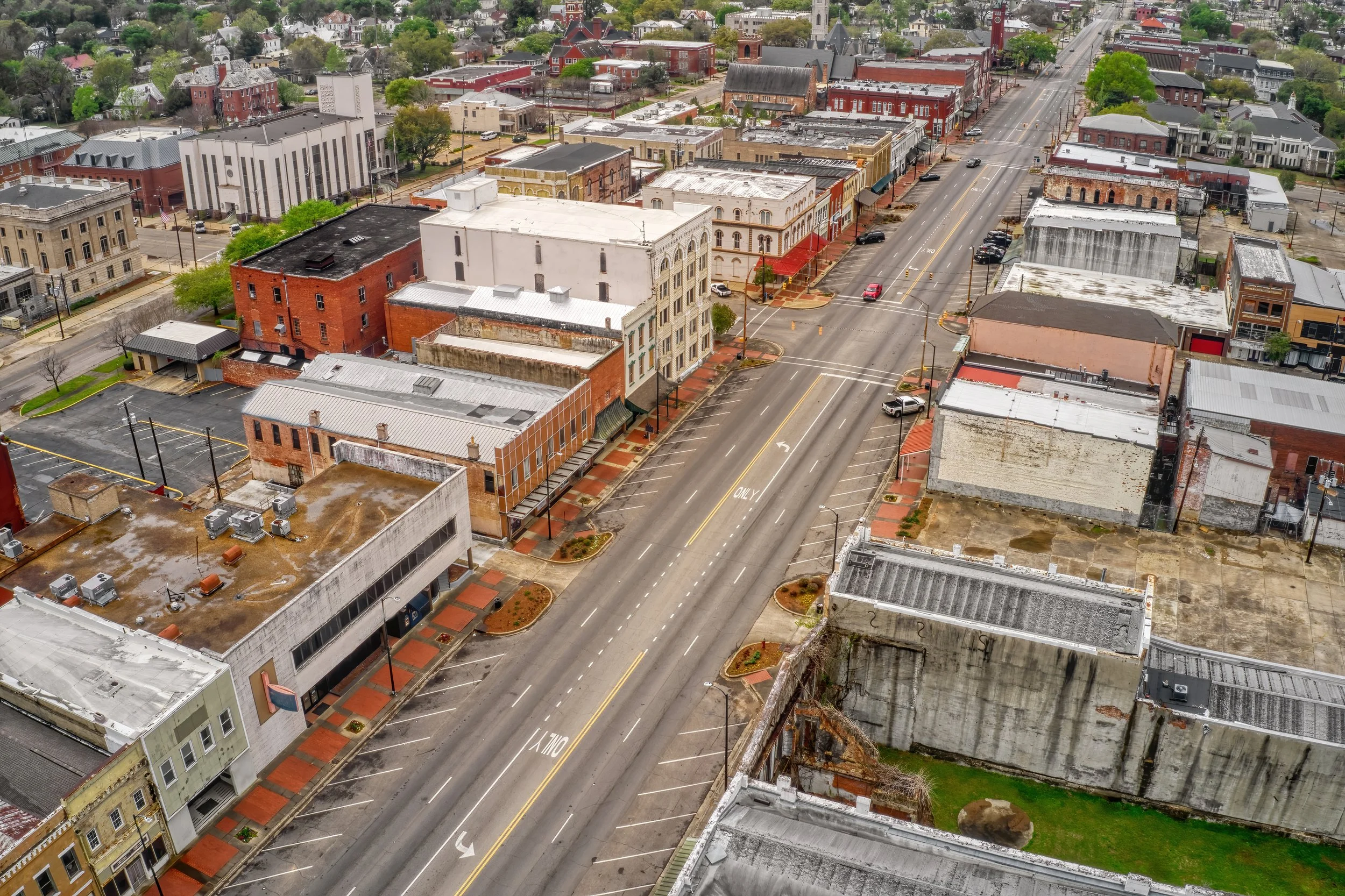
The City of Selma Welcome center is a welcoming stop along the journey, where friendly and knowledgeable staff are ready to recommend local restaurants, provide information on tours and attractions, and help visitors make the most of their time in Selma.
The center is also a stop for the SEL Passport! Visitors can shop for gifts, souvenirs, and snacks before setting out to explore landmarks and attractions throughout the city and experience Selma’s rich history. Along the way, guests can collect stamps from participating locations, with eight stamps redeemable for a Milestone Collection shirt!
tABERNACLE bAPTIST cHURCH
PLACES OF WORSHIP
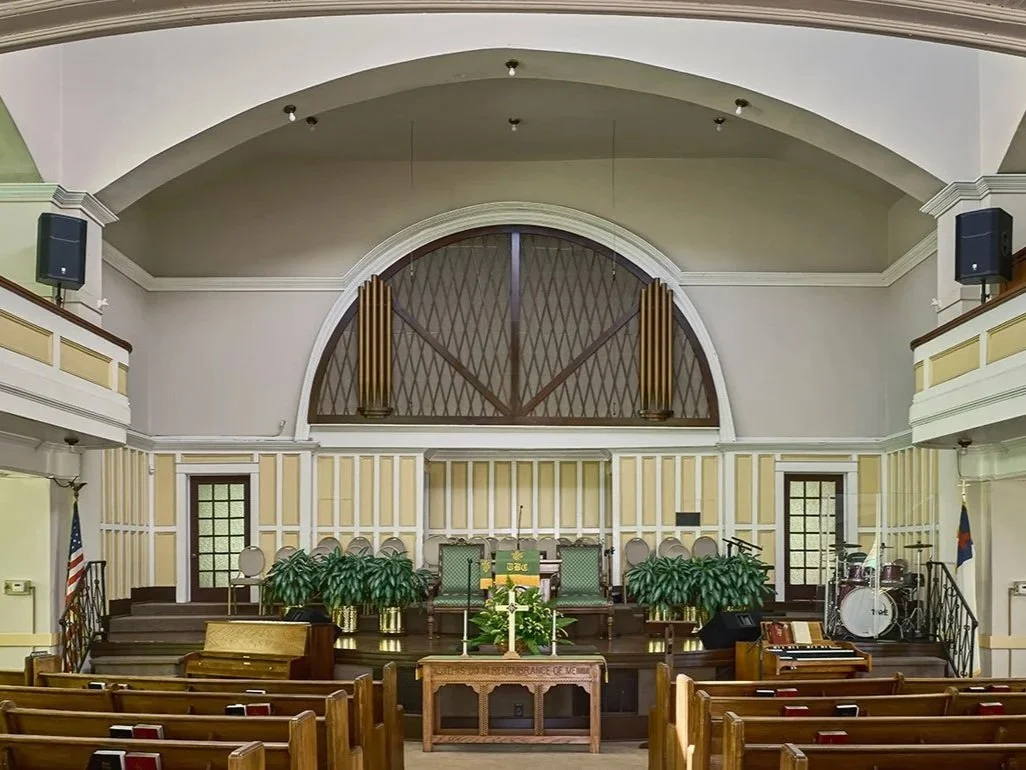
Tabernacle Baptist Church played a pivotal role in the Selma Voting Rights Movement, hosting its first mass meeting in May 1963. Following the death of civil rights organizer Sam Boynton, approximately 300 people gathered at the church for a memorial service and meeting organized with the help of Amelia Boynton, Rev. Bernard Lafayette, and Rev. Louis Lloyd Anderson.
Long before the movement gained national attention, Tabernacle members had quietly supported voter registration efforts, including secret training sessions held in the church basement. Members such as Marie Foster later joined other local activists known as the “Courageous Eight,” who invited Dr. Martin Luther King Jr. to Selma in 1964 and helped advance the fight for voting rights.
OLD DEPOT MUSEUM/The Selma-Dallas County Museum Of History & Archives
MUSEUM
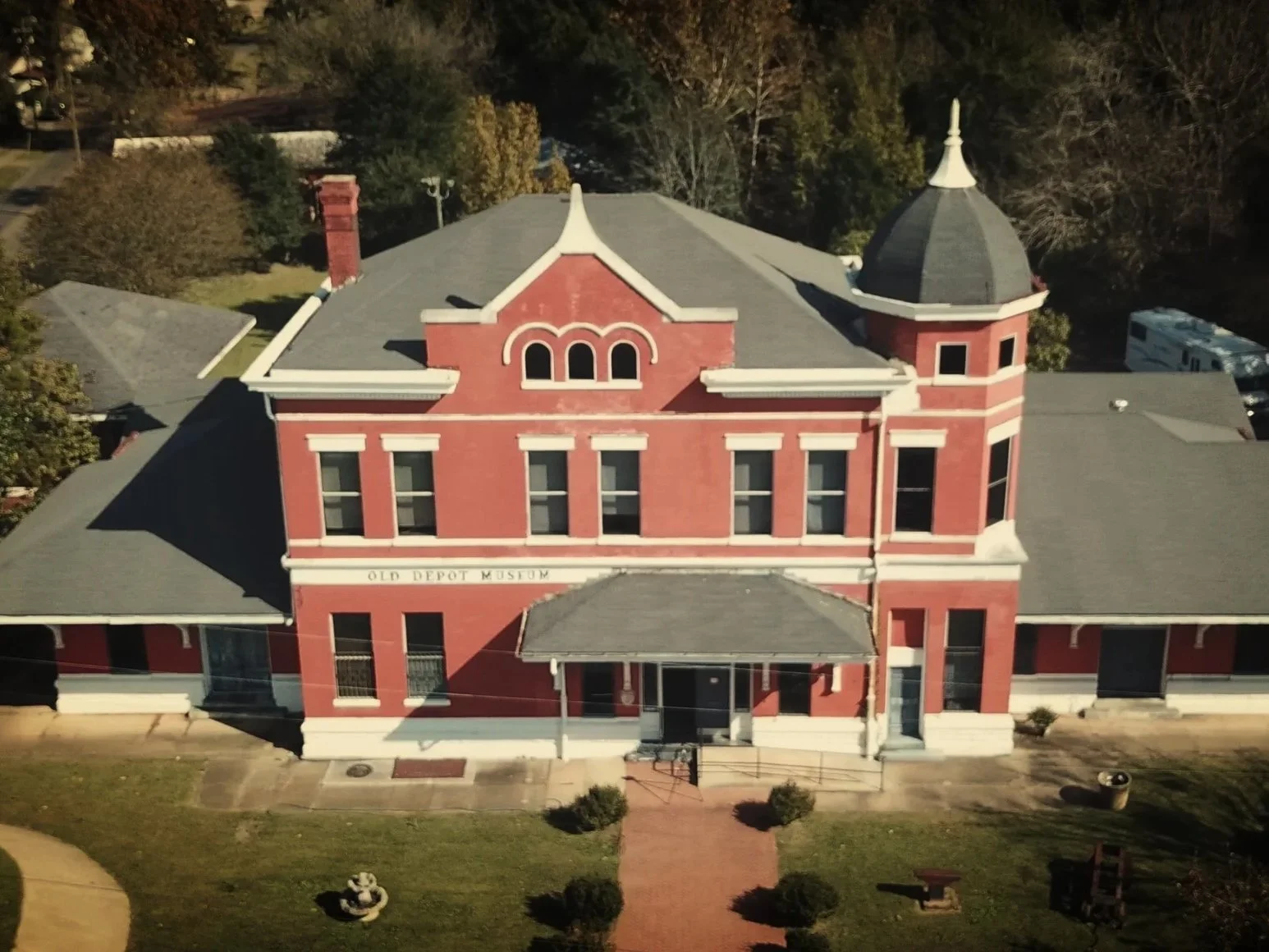
The Old Depot Museum, officially the Selma/Dallas County Museum of History and Archives, is located along Water Avenue near the St. James Hotel. Housed in a circa-1890 Romanesque Revival building, the museum explores Selma’s history from the Civil War through the Civil Rights Movement. The site was once part of a major Confederate manufacturing complex and today preserves artifacts and stories of the people who shaped Selma’s past. The historic depot is also a contributing property within Selma’s Water Avenue Historic District.
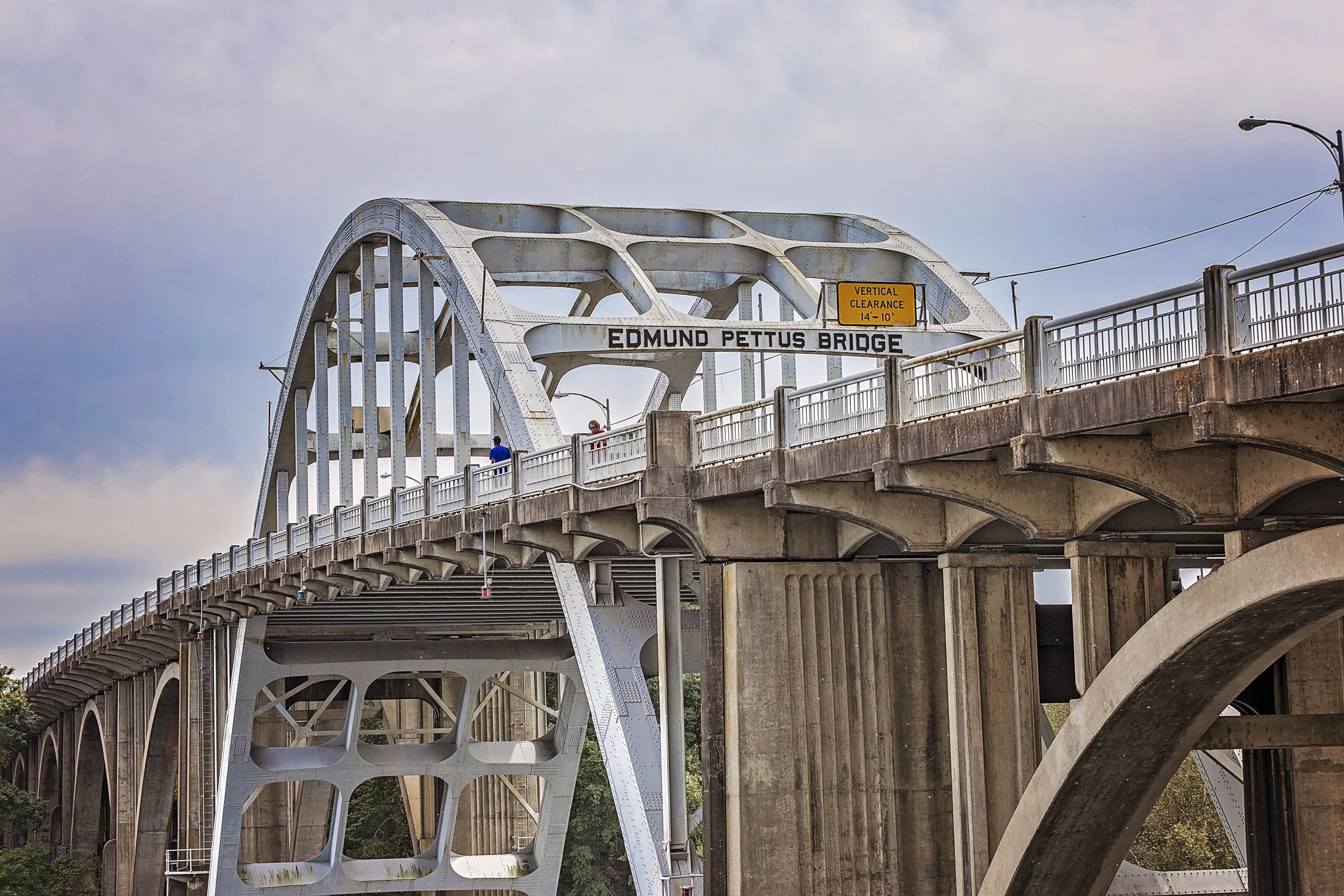
EDMUND PETTUS BRIDGE
HISTORICAL LANDMARK
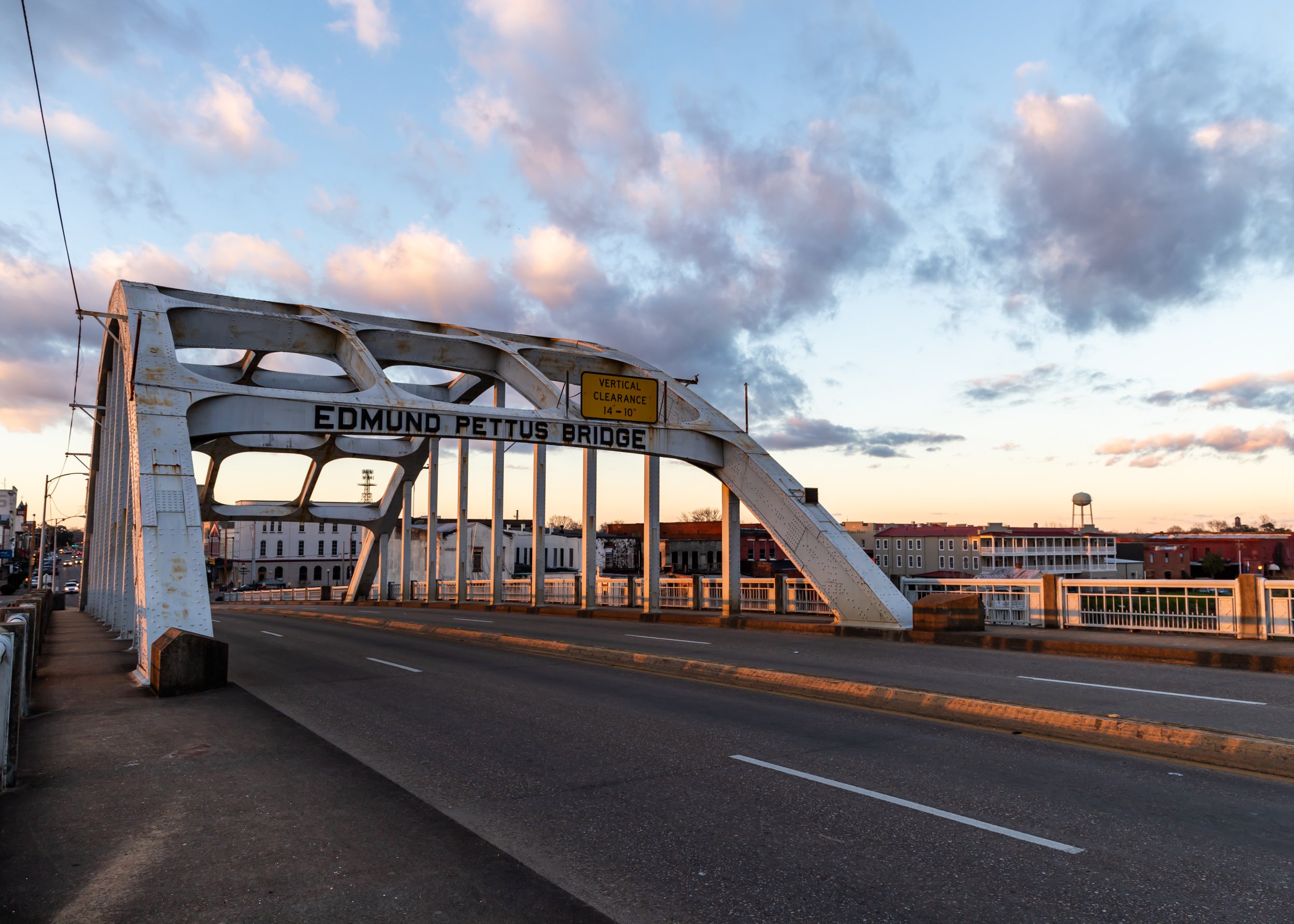
The Edmund Pettus Bridge is a landmark of the Civil Rights Movement and the site of the 1965 “Bloody Sunday” march, a pivotal event that helped lead to the Voting Rights Act. Visitors can walk across the historic bridge and follow the Selma to Montgomery National Historic Trail to learn more about the march and its lasting impact on American history.
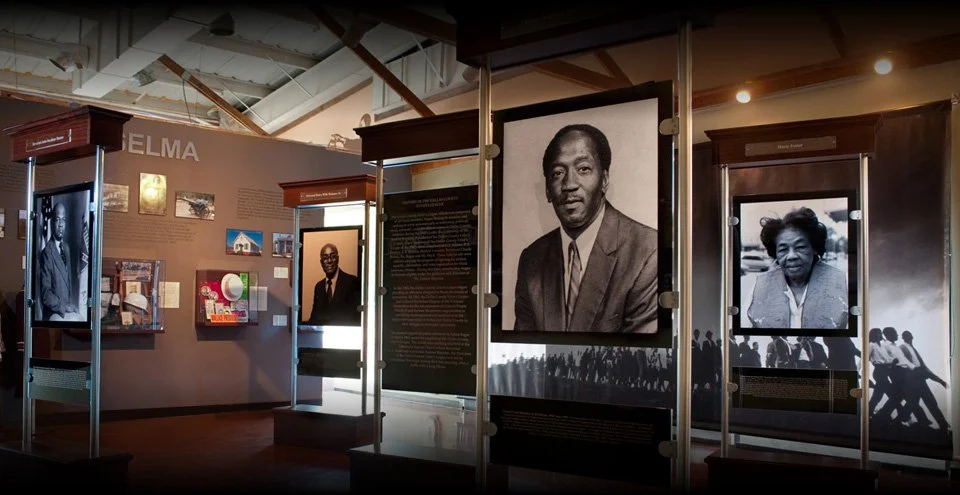
NATIONAL VOTING RIGHTS MUSEUM AND INSTITUTE
MUSEUM
Located near the Edmund Pettus Bridge, the National Voting Rights Museum and Institute explores the history of the struggle for voting rights and the Civil Rights Movement. Through exhibits, photographs, artifacts, and personal stories, the museum honors those who fought for equality and highlights Selma’s important role in American history.
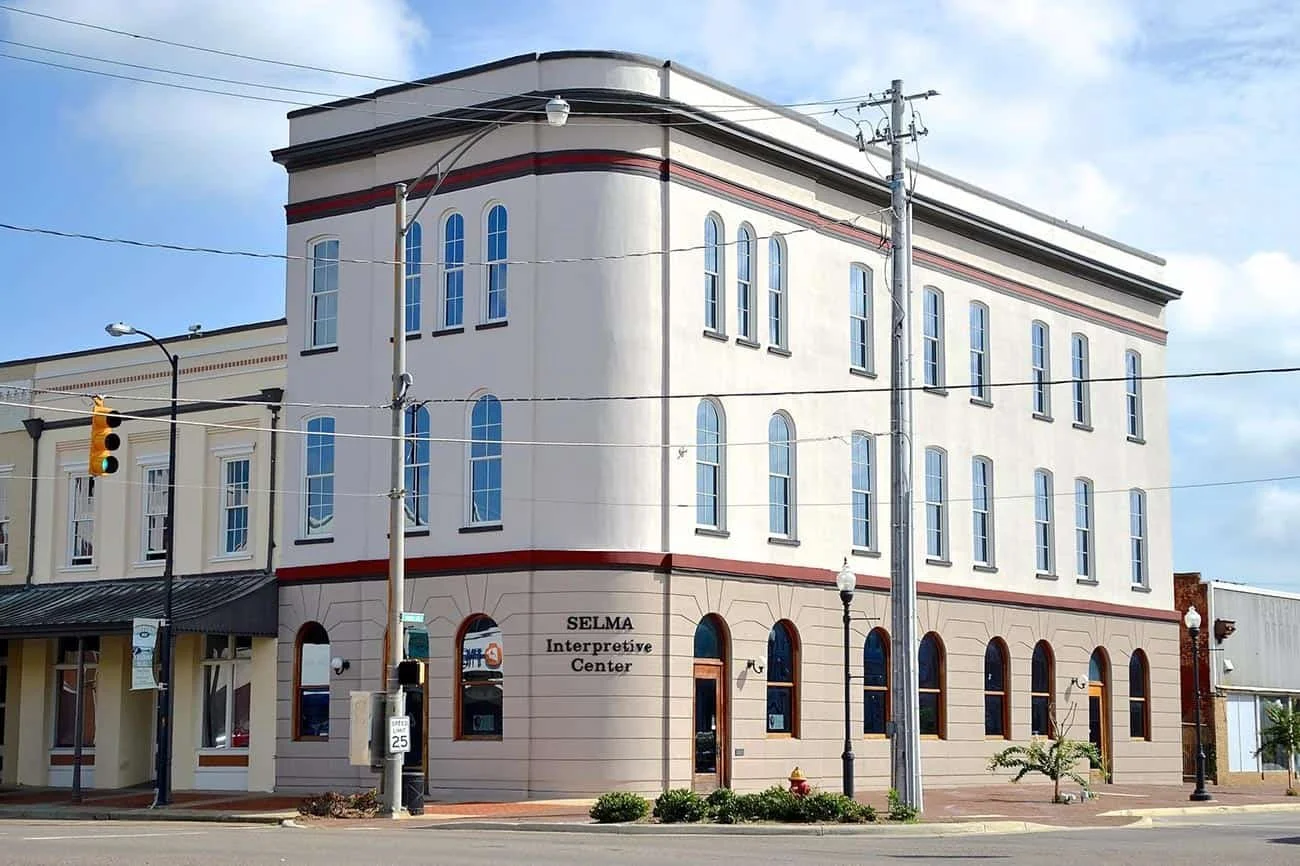
SELMA INTERPRETIVE CENTER
MUSEUM
Located at the foot of the Edmund Pettus Bridge, the Selma Interpretive Center is an ideal starting point for exploring the city’s Civil Rights history. Exhibits, films, and educational resources highlight Selma’s pivotal role in the movement and provide valuable context before visiting the city’s historic landmarks.
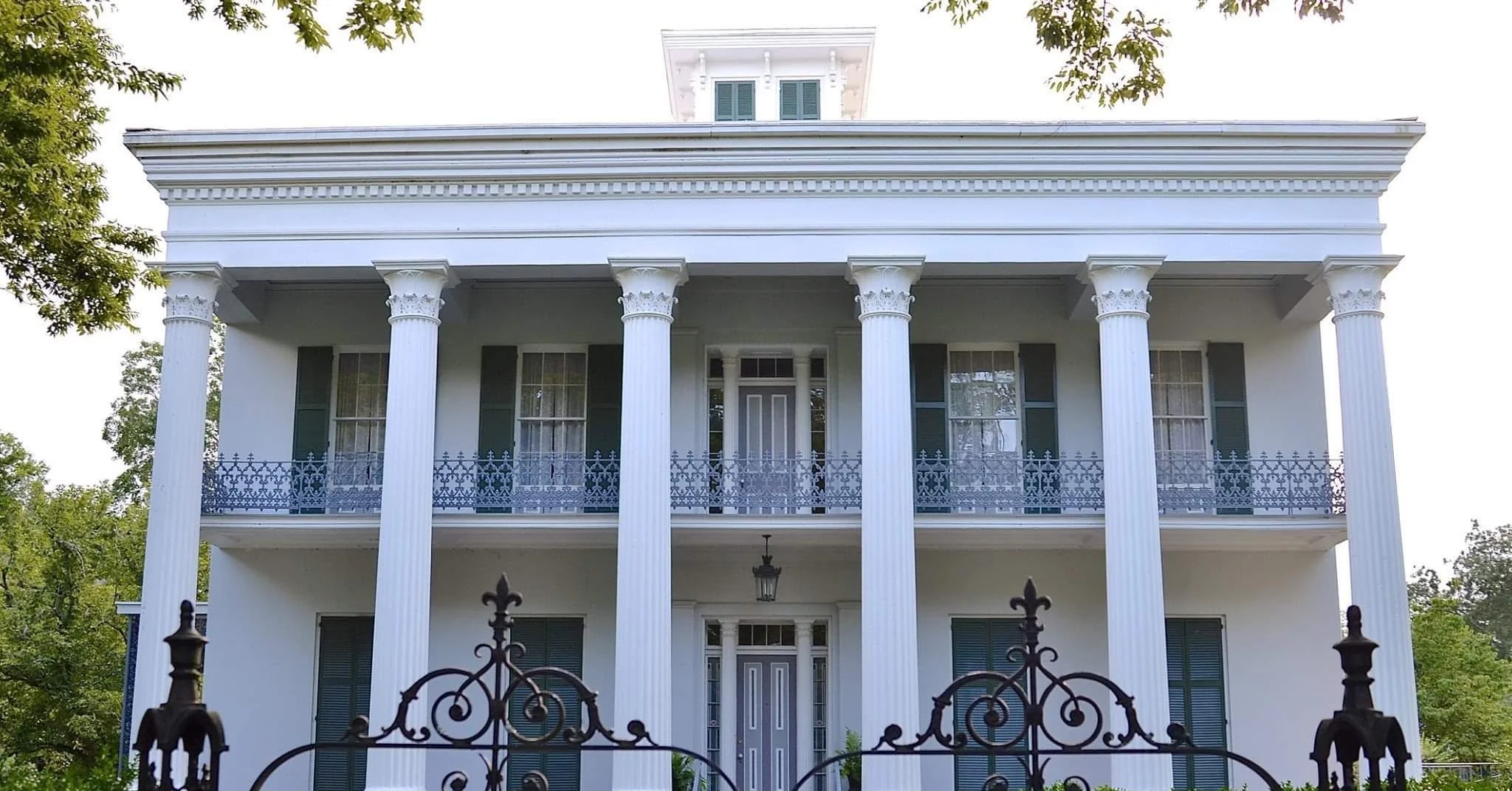
STURDIVANT HALL MUSEUM
HISTORICAL LANDMARK
Built in 1856, Sturdivant Hall is a beautifully preserved Greek Revival mansion that offers a glimpse into Selma’s architectural history. Now a museum, the home features period furnishings, art, and artifacts, with guided tours sharing the stories of the house and those who once lived there.
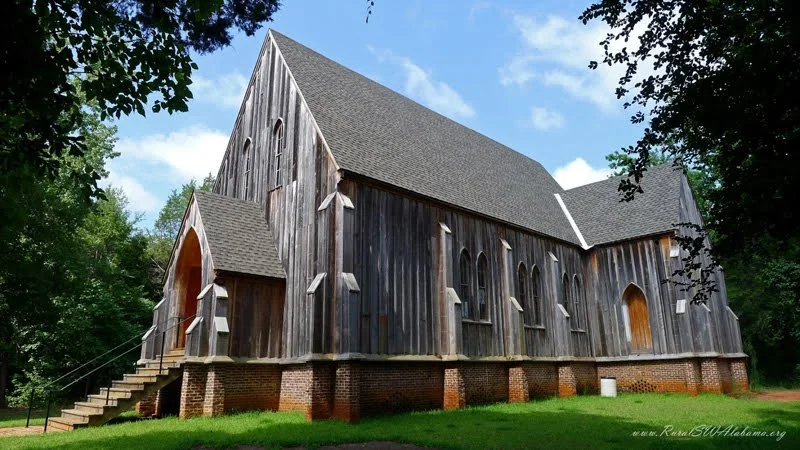
Old Cahawba Archaeological Park
PARK
Old Cahawba, Alabama’s first state capital and best-known ghost town, offers a fascinating look at the state’s past. Once a thriving river town, Cahawba later became home to emancipated African Americans seeking new freedoms after the Civil War. Today, visitors can explore the historic site and discover the stories of this once-prominent community.

LOCAL PARKS
PARKS, OUTDOOR ACTIVITIES
Selma’s parks and recreation spaces offer plenty of ways to enjoy the outdoors, from walking trails and playgrounds to sports courts, ballfields, fishing, and scenic riverfront views.
Cedar Park: Walking Trail, Baseball/Softball Field, Playground, Basketball Court
Edgewood Park: Baseball/Softball Field, Swing Set
1st Ave Park: Playground, Picnic Tables
Ronnie Sharpe Park: Playground (2), Basketball Court
Meadowview Park: Walking Trail, Baseball/Softball Field, Multi-Purpose Field
East Selma Fishing Pond: Pond
James Perkins, Jr. Songs of Selma Park: Beautiful view of the Alabama River
Riverfront Park: Playground, Splash Pad
Rutledge Park: Playground, Basketball Court (Half Court), Gazebo
Selma High: Tennis Court
FREQUENTLY ASKED QUESTIONS
-
Perched along the banks of the Alabama River, Selma invites visitors to experience a city where history, culture, and Southern charm come together. Walk in the footsteps of the Civil Rights Movement at the iconic Edmund Pettus Bridge, Selma Interpretive Center, and other historic sites that tell powerful stories of courage, sacrifice, and perseverance. Explore local art and museums, enjoy scenic parks and riverfront views, discover unique shops and annual events, or experience the area's natural beauty. From historic landmarks and cultural attractions to Southern flavors and outdoor recreation, Selma offers countless opportunities to connect with the stories, people, and places that have shaped this remarkable Alabama city.
Visit the Wander page to learn more about things to do in Selma.
-
Absolutely! Our team is happy to offer personalized recommendations for local restaurants, tours, attractions, and activities.
You can also visit our Wander page to discover more things to see and do near the hotel.